Personalized Railings and Stairs: Bring Style and Functionality to Your Deck
Custom railings and stairs play an essential role in improving the visual appeal and practicality of a deck. By selecting unique designs and materials, homeowners can create an inviting outdoor space that reflects their personal style. Structural integrity and long-lasting performance are also key priorities. Exploring various styles and materials can reveal options that strike the right balance. What elements should homeowners evaluate when beginning this design process?
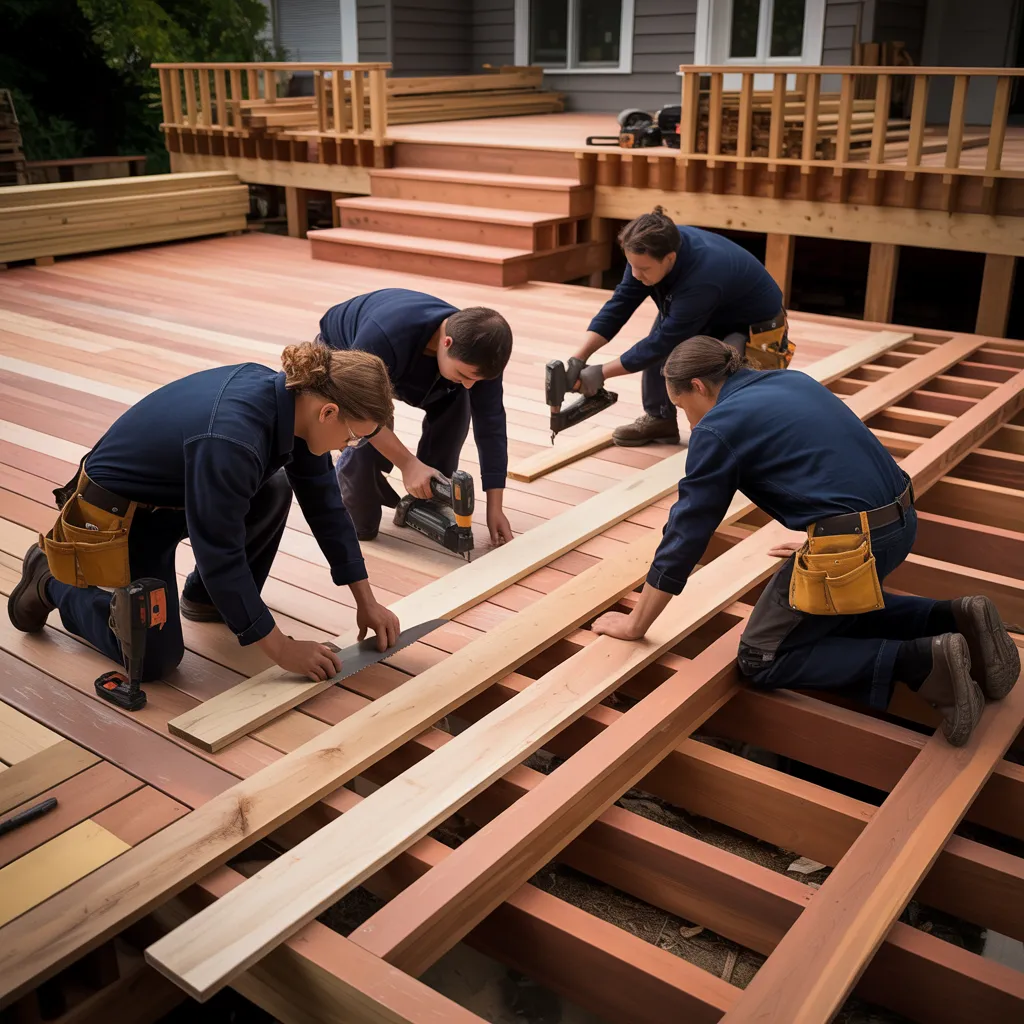
The Perks of Custom Railings and Stairs
Bespoke railings and stairs improve both aesthetics and functionality in any space. They provide a distinctive chance to elevate the visual impact, turning standard areas into remarkable focal points. By including tailored designs, homeowners can effortlessly coordinate these additions with their existing decor, reflecting individual tastes and style preferences.
Apart from aesthetics, custom railings and staircases deliver considerable safety advantages. Custom designs can ensure conformity with local building standards while minimizing the risk of accidents. The choice of sturdy materials additionally improves durability, reducing the need for frequent repairs or replacements.
Additionally, custom solutions allow for improved space optimization, particularly in difficult configurations. Via thoughtful design strategies, property owners are able to enhance accessibility and convenience. Overall, selecting tailored railing and stair solutions combines elegance with practical utility, making them an invaluable addition to any residential or commercial setting.
Common Choices of Custom Stair and Railing Options to Explore
Design decisions for railings and stairs can considerably influence the general atmosphere of a room. Among the most favored options is the timeless wooden railing, which offers warmth and a timeless appeal. Contemporary metal railings, often featuring sleek lines and minimalist designs, offer a contemporary aesthetic while guaranteeing long-lasting strength. For those desiring a countryside feel, forged iron railings can introduce elaborate details and charm. Transparent glass railings are becoming widely preferred for their capacity to deliver an open and spacious atmosphere, permitting unrestricted visibility. Furthermore, cable railings combine practicality with aesthetics, making them ideal for seaside or contemporary environments. Steps can also showcase personal style; selections extend from conventional straight stairs to dramatic spiral layouts, satisfying diverse visual preferences. Every design not only elevates the visual aesthetic but also serves a critical function in safety and accessibility, making careful selections vital for any deck undertaking.
How to Choose the Best Materials for Your Custom Railings and Stairs
Selecting the best materials for custom railings and stairs necessitates close attention of both durability and aesthetic appeal. The selection of materials can greatly impact the longevity of the structure while also shaping the general aesthetic of the area. Assessing these elements guarantees a equilibrium between practicality and aesthetic appeal.
Durability Considerations for Materials
Durability stands as a critical factor when choosing materials for railings and stairs, affecting both safety and long-term performance. Homeowners often consider options such as wood, metal, and composite materials. Wood, though visually appealing, often demands consistent upkeep to prevent rot and pest damage. Metal options, like aluminum and stainless steel, deliver strength and resilience against severe weather, suiting them to diverse climatic conditions. Composite materials combine long-lasting performance with minimal upkeep, preventing fading and warping over the years. During the material selection process, environmental impact and accessibility should also be carefully evaluated. In the end, opting for durable materials not only improves the safety of railings and stairs but also ensures they endure over time, delivering lasting value and dependability.
Aesthetic Design Options
The aesthetic value plays a crucial role in the choice of materials for custom railings and stairs, supporting the property's overall architectural style. Homeowners often consider various materials, like wood, metal, and composite materials, each offering distinct visual characteristics. To achieve a timeless appearance, natural wood provides warmth and texture, whereas metals such as wrought iron or aluminum introduce a contemporary, polished feel. Composites offer versatility in color and finish, facilitating tailored solutions that match a wide range of architectural styles. Additionally, homeowners should consider the surrounding landscape and home exterior to guarantee harmony. Color palettes, surface textures, and finishes should complement the overall design, establishing a harmonious visual identity that improves the outdoor space while meeting functional requirements.
What Are the Best Ways to Incorporate Safety Features Into Your Design?
Guaranteeing safety features in customized railings and staircases requires adhering to code compliance requirements, identifying appropriate materials, and incorporating effective design features. Each component serves a critical function in establishing a secure setting for individuals. A comprehensive knowledge of these elements is critical for any successful design.
Code Compliance Requirements
When creating custom railings and stairs, following code compliance requirements is essential for ensuring safety. Construction codes outline key dimensions, like the height and placement of railings, ensuring they can effectively prevent falls. Moreover, local regulations may dictate the materials used, impacting strength and safety in varying weather conditions. It is essential to consult local building authorities or a qualified professional to confirm that designs comply with all relevant codes. Regular inspections during the construction process additionally strengthen safety by uncovering potential problems at an early stage. By emphasizing regulatory compliance, homeowners can create functional and aesthetically pleasing railings and stairs that provide peace of mind and long-lasting safety for all users.
Considerations for Material Selection
Selecting the appropriate options for custom railings and stairs is essential for enhancing safety aspects within the overall design. Sturdy materials such as stainless steel, aluminum, and treated wood offer durability and resistance to environmental damage. Although visual appeal matters, the structural soundness of the material must be equally considered to minimize the risk of accidents. Non-slip surfaces are essential to ensure adequate grip, most notably in wet or slippery conditions. Moreover, materials should meet regional safety regulations and building codes, which commonly define required load thresholds. Consideration of the material's maintenance needs is vital, as easily damaged materials can compromise safety over time. Ultimately, a balanced approach to material evaluation encourages both design elegance and structural safety in stair and railing designs.
Designing Safety Features
Proper safety design elements are critical in custom railings and stairs, as they significantly affect user protection and overall functionality. To ensure safety, designers should follow local building codes, which specify minimum height and structural requirements. Incorporating non-slip materials is crucial, especially in areas affected by moisture. Additionally, railings should have a height that prevents falls while allowing easy grip for users. Consideration of spacing between balusters is vital to reduce fall incidents, particularly for children. Sight lines represent another important factor; contrasting colors can increase awareness of edges and steps. Finally, regular maintenance checks are required to maintain the integrity of all structural parts, safeguarding users and enhancing the durability of the structure.
Important Upkeep Tips for Preserving Your Custom Railings and Stairs
Keeping up railings and stairs that are custom-made is crucial for guaranteeing their durability and visual appeal. Regular inspections play a significant role in spotting any evidence of damage, such as oxidation, unstable components, or fractured timber. Proper cleaning is just as essential; using a gentle soap solution and a soft brush can help remove dirt and prevent buildup that may cause damage over time. For wood railings and stairs, applying a protective sealant every few years can safeguard against moisture and UV damage, preserving both color and integrity.
Steel railings need to be examined for deterioration, especially in coastal areas where salt air can hasten damage. Applying fresh paint or refinishing treatments to metal can improve longevity and visual appeal. Moreover, ensuring that drainage systems are functioning properly will stop water from pooling, which can result in serious structural problems. Through adopting these upkeep strategies, property owners can benefit from their custom railings and staircases for many years.
Setting a Budget for Your Custom Outdoor Upgrades
Upon ensuring the durability of bespoke railings and stairways through consistent maintenance practices, homeowners often turn their attention to setting aside resources for outdoor renovations. Setting a well-defined budget is vital to guard against budget overruns and to verify that the intended upgrades match financial capabilities. Homeowners would benefit from examining the pricing for materials, workmanship, and supplementary elements, like ambient lighting or decorative enhancements.
One should compile an ordered list of planned enhancements, separating essential needs from optional additions. This aids in reaching well-considered decisions when finances are constrained. Furthermore, property owners should think about establishing a reserve fund for unforeseen costs that might emerge throughout the renovation.
Investigating different vendors and assessing pricing can also result in affordable options. By tackling financial planning in an organized manner, homeowners can bring their ideas for tailored outdoor environments to life while keeping their finances in check.
How to Select the Best Contractor for Your Outdoor Project
How do homeowners make certain they pick the right contractor for their outdoor project? Initially, they should carry out detailed research, beginning with online reviews and community recommendations. This makes it easier to find contractors with an established reputation in custom railings and stairs. Furthermore, homeowners should validate credentials, covering licenses and insurance, to confirm the contractor aligns with industry standards.
Homeowners are also encouraged to request detailed estimates from multiple contractors, weighing expenses and completion schedules. Engaging in direct conversations allows homeowners to gauge communication styles and professionalism. Moreover, looking through completed work portfolios can reveal important details about a contractor's technical proficiency and design talent.
Finally seeking client references can be helpful in evaluating quality and dependability. By adhering to this process, homeowners can confidently choose a contractor who aligns with their vision and guarantees a positive outdoor experience.

Common Questions and Answers
What Is the Timeline for Installing Custom Railings and Stairs?
Fitting of custom stairs and railings typically takes between one and three days, based on the complexity of the design, the materials used, and the experience of the installation team assigned to the project.
Can I Customize the Color of My Railings and Stairs?
Indeed, color customization options for railings and stairs are generally offered. Residents can explore a diverse selection of shades to align with their aesthetic preferences, guaranteeing a unified appearance for their outdoor areas.
Can Custom Railings and Stairs Withstand the Elements?
Custom railings and stairs can be crafted to remain durable against the elements, making use of materials such as composite wood and aluminum. Such selections improve long-term durability, ensuring they withstand various environmental conditions while maintaining their functionality and aesthetic appeal.
What Is the Typical Cost of Custom Railings and Stairs?
The standard cost of custom railing and stair installations generally falls between $1,000 to $4,000, pertinent information depending on installation requirements, materials, and design complexity. Homeowners are advised to plan their budget for labor and materials alike when planning their projects.
Is a Permit Required for Custom Railing Installation?
Custom railing installations generally require a permit for installation, according to local regulations and building codes. It's advisable for homeowners to consult their local authorities to guarantee compliance and avoid possible fines or safety concerns.
Comments on “How Apex Deck Builders Georgetown Delivers Beautiful Outdoor Living”